How Much Home Backup Battery Power Do You Really Need?
February 12, 2026
Determining the right home power battery backup system for your home involves more than picking the biggest battery available. You need to assess exactly what you want to power during an outage or daily energy usage. It’s essential to consider how long you need power, the size of your home, and the seasonal demands. Understanding these factors helps in choosing a scalable and reliable system that caters to your specific needs without excess expenditure. This blog will guide you through how to size your home backup battery efficiently, ensuring your investment is both smart and practical.
Step One—Understand What You Want to Power
Identify Essential Loads vs. Nice-to-Have Devices
Your first step is determining what appliances are essential during a power outage and which ones are optional comforts. Essential loads tend to include refrigerator, lights, and any medical equipment. These are devices you simply cannot do without. Comfort items, such as TVs and gaming consoles, might enhance your downtime but aren’t crucial. Make a list dividing essentials from nice-to-have gadgets, and you’ll get a clearer view of your baseline power needs. Striking this balance is key because overloading your battery with non-essential devices can drain it prematurely, leaving you without power when you most need it.
Check Appliance Wattage and Daily Energy Use
Once your essential load list is ready, it’s time to evaluate how much power each item consumes. Check the wattage of each appliance, usually found on labels or manuals, and see how many hours a day each is used. This calculation will help you assess daily energy consumption and peak power requirements. Multiply wattage by hours used to get daily consumption. This not only determines the size of battery you need but also helps you manage household energy consumption efficiently. It’s not just about immediate backup; it’s about understanding daily energy dynamics and mitigating power wastage.
Step Two—Match Battery Capacity to Real-Life Scenarios
Backup Duration: Short Outages vs. Multi-Day Blackouts
Power needs vary significantly, and you must account for the duration of potential outages. Short outages might require a smaller capacity, sufficient to run essentials for a few hours. However, for multi-day blackouts, a larger battery system is critical to support sustained usage. Consider the history of outages in your area and the typical duration to calculate battery size. Focus on adjustable systems that can handle both scenarios, ensuring flexibility during unexpected extended blackouts. This forecasting prevents inconveniences and ensures you aren’t caught off guard during multi-day energy demands.
Home Size, Lifestyle, and Seasonal Power Demand
Your home’s size affects power usage, with larger homes usually consuming more. Lifestyle choices, like energy-efficient appliances and home automation systems, also contribute to varying power needs. Seasonal changes further influence energy demand; heating in winter and air conditioning in summer account for significant consumption shifts. Factor these elements into your calculations to create a complete picture of your home’s typical power footprint. Tailoring battery size to meet these diverse demands ensures versatility and robustness in your backup system, accommodating fluctuating power needs throughout the year.
Step Three—Choose a Scalable and Reliable Battery System
Why Modular Systems Offer More Flexibility Long Term
Modular battery systems offer the benefit of scalability, allowing you to expand capacity as your energy needs grow or shift. They provide flexibility in configuring your setup based on evolving power requirements without the need for a complete system overhaul. This adaptability is cost-effective, prevents obsolescence, and supports incremental upgrades aligned with your budget or technology advancements. Modular systems are designed to accommodate future expansions, making them an ideal choice for households with changing energy demands or those anticipating scale-ups in the far term.
Using Anker SOLIX Whole-Home Backup Power as a Practical Example
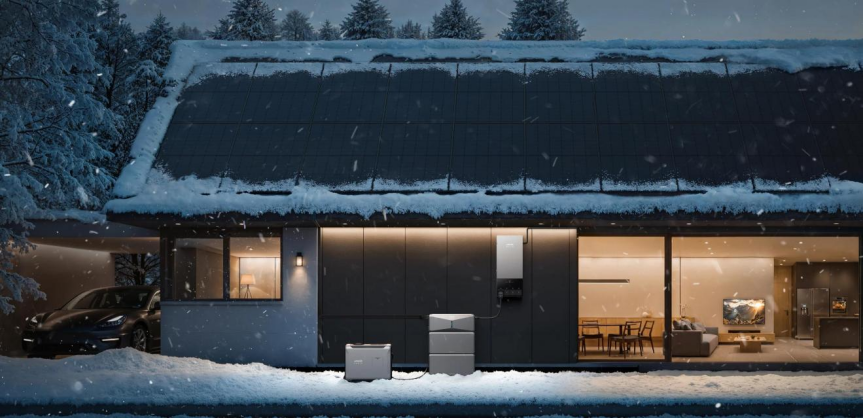
Consider the Anker SOLIX E10 setup as a tangible example of a robust home backup solution. With its split-phase inverter, it handles major outages with support up to 275A with multiple batteries and inverters. Its scalability and high efficiency highlight its adaptability for diverse residential needs. The charge capabilities, such as the rapid AC input recharging and extensive PV (solar) input, ensure continuity even during prolonged blackouts and high-demand periods. This system pairs high performance with flexibility, showcasing how modern solutions meet evolving household energy scenarios seamlessly.

Conclusion
Sizing a home backup battery system is a balance between current needs and potential future demands. By understanding essential devices, assessing scenario-based consumption, and choosing scalable systems like Anker SOLIX, you’re equipping your home to handle outages smoothly. Implementing a strategic approach ensures you invest wisely in capacities that meet your immediate requirements while accommodating growth. Armed with this knowledge, you can confidently choose the battery system perfect for your unique household needs.