Solar Powered Generator Recharge Time Factors Explained
January 30, 2026
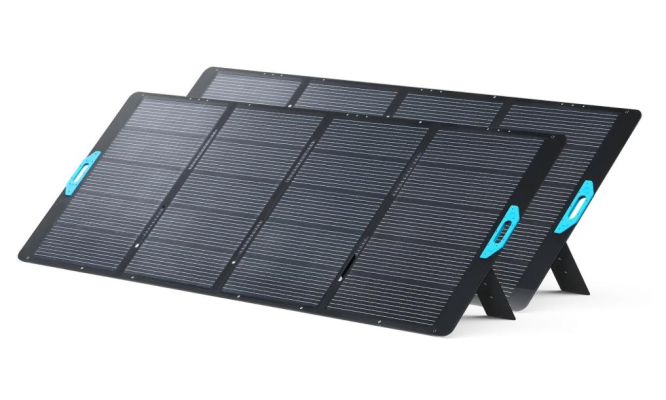
Solar-powered generators are becoming a cornerstone in sustainable energy solutions, but their recharge times can vary based on several factors. Understanding these variables can help you optimize your setup for faster and more efficient charging. Key elements such as solar panel efficiency, battery capacity, weather conditions, and backup charging options play significant roles. For instance, brands like Anker Solix offer solar panels with high conversion rates and efficient MPPT technology, designed to maximize solar generation. This guide aims to dissect each factor affecting recharge times, providing insights into how improvements in these areas can lead to quicker energy replenishment and ensure that your solar-powered generator meets your power needs effectively.
Solar Panel Efficiency and Its Impact on Charging Time
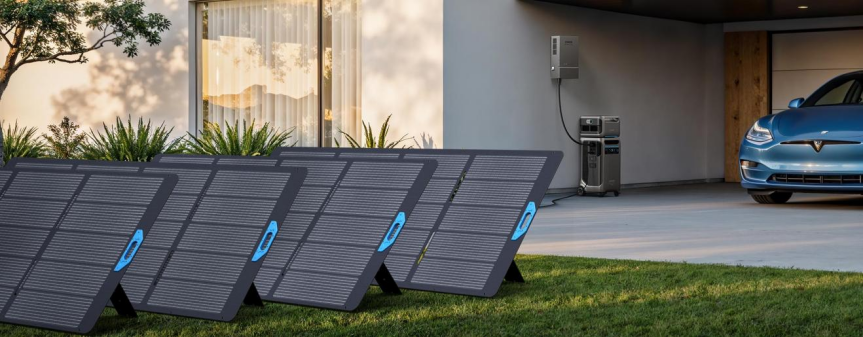
Solar panel efficiency is vital for quick charging. Panels with higher efficiency can convert more sunlight into electricity, reducing the time needed to fully recharge a generator.
How Solar Panel Wattage Affects Charging Time
Higher wattage panels can significantly reduce charging times by producing more power in a given period. For example, a 300W panel will charge a generator faster than a 150W panel under identical conditions. The wattage capacity of the panel must match the energy demands of your generator to ensure optimal performance. If your generator demands high power, opt for panels that offer greater wattage. Check the compatibility of your generator with the panel wattage to avoid inefficiencies. This way, you can speed up the charging process, minimizing downtime.
The Role of MPPT Technology in Charging Speed
Maximum Power Point Tracking (MPPT) technology is essential for optimizing the charging process. This technology helps solar panels operate at their maximum efficiency, adjusting the electrical operating point to suit the conditions. Panels equipped with MPPT can see efficiency rates nearing 99%, as seen with Anker Solix. This efficiency maximization allows more power conversion from sunshine to usable energy throughout the day. Utilizing MPPT-equipped panels ensures you harness as much solar energy as possible, reducing overall recharge time and enhancing your energy harvesting capabilities.
Battery Capacity and Recharge Time
Battery capacity directly influences how long it takes to recharge. Larger batteries store more energy, thus requiring longer to charge fully. It is crucial to balance capacity with energy requirements to optimize charging speed and efficiency.
Choosing the Right Battery for Faster Charging
Selecting the appropriate battery for your solar generator is critical for minimizing recharge time. Batteries with a higher voltage can accept more charging current, thus facilitating quicker recharges. Look into brands that offer batteries designed for fast charging, such as Anker Solix, known for long-lasting LFP batteries. Assess your energy requirements carefully and consider whether you need a deep-cycle battery or one optimized for faster charging. The right choice can drastically cut down charge times and improve the lifespan and performance of your power system.
Battery Chemistry and Its Influence on Charging Time
The battery chemistry significantly affects recharge duration. Lithium Iron Phosphate (LFP) batteries offer more rapid charging compared to lead-acid alternatives. LFP batteries are noted for their safety, stability, and longevity, accommodating hundreds of cycles effectively. Anker Solix’s use of LFP technology exemplifies this, ensuring reliable and quick energy replenishment. They’re less susceptible to degradation over time, maintaining high performance throughout their lifecycle. Selecting batteries with advanced chemistry can result in substantial improvements in charging time and efficiency. Prioritize battery types that align with your power storage needs while offering exceptional charging characteristics.
Weather Conditions and Sunlight Exposure
Weather plays a significant role in the efficiency of solar panels. Consistent sunlight exposure enables faster charging, while adverse weather conditions, such as clouds or rain, can prolong the time needed to achieve a full charge.
How Cloudy or Rainy Weather Affects Charging Speed
Cloud-covered or rainy days can substantially diminish the charging speed of solar powered generators. Reduced sunlight exposure means less energy is available for conversion into electricity. Panels like those from Anker Solix, with high conversion efficiency, can partly mitigate these conditions by harvesting whatever sunlight penetrates the clouds. However, overall efficiency drops. It’s crucial to consider auxiliary charging methods during extended periods of poor weather, such as battery backups or increased wattage capacity. This ensures you maintain an effective power supply regardless of weather anomalies. Anticipate and adapt to fluctuating weather patterns for consistent power availability.
Optimizing Solar Panel Placement for Maximum Sunlight
Proper placement of solar panels is crucial for harnessing maximum sunlight. Ensure panels face the sun directly; southern exposure is often optimal in the northern hemisphere. Install at an angle that accommodates seasonal sun shifts. Avoid shadows from trees or buildings, which can drastically reduce panel output. Incorporate adjustable mounts if possible to change the panel orientation with the season, gaining extra efficiency. Strategic placement not only improves energy capture but also reduces total recharge time, optimizing overall system performance.
AC Outlet and Gas Generator Backup Charging
Supplementary charging options, like using an AC outlet or a gas generator, can significantly affect recharge times. These methods offer faster charging, ideal during extended periods of insufficient sunlight exposure.
Using an AC Outlet for Faster Recharge Times
An AC outlet can supercharge your solar generator charging process. It provides a steady source of energy, allowing you to fully recharge within hours, significantly quicker than solar charging alone. Compatible with most solar generators, AC outlet charging is particularly useful in emergencies when solar output is low or nonexistent. Connect your generator to a domestic AC source to quickly replenish power reserves. Utilizing this option can drastically reduce downtime and ensure your energy needs are met. Leverage AC charging for an efficient, reliable energy boost when solar is unavailable or inadequate.
Integrating Gas Generators for Extended Power Supply
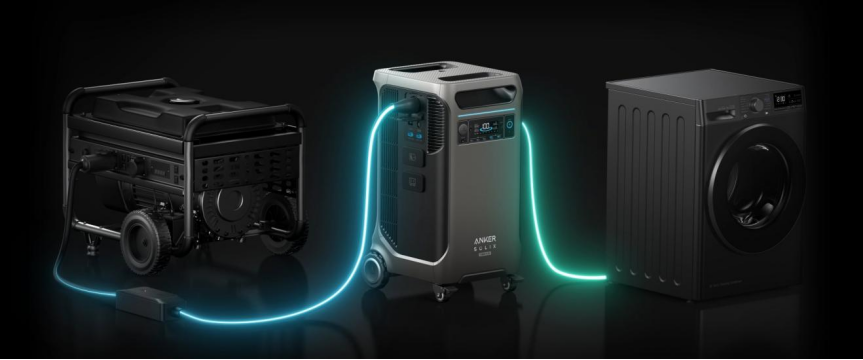
Incorporating a gas generator ensures a constant power supply, complementing solar systems effectively. During prolonged sunless periods, gas-powered solutions can rapidly recharge batteries. Hybrid systems, blending gas and solar, offer versatility and reliability. Consider models that integrate seamlessly, providing automatic switching between power sources. This dual setup ensures energy independence and uninterrupted power, even in adverse weather. Harness such integrated systems to enhance the reliability and performance of your solar generator setup, providing a seamless power solution capable of adapting to varying energy demands and environmental conditions.
Conclusion
Understanding the factors affecting solar-powered generator recharge times empowers you to make informed decisions for optimal setup. Key areas include efficient solar panels, like those from Anker Solix, boasting high conversion rates and advanced technology, and the appropriate battery choice, crucial for faster charging. Weather conditions and strategic panel placement play significant roles, as do backup options like AC outlets and gas generators. By considering these variables, you can maximize your generator’s efficiency, ensuring a reliable and robust power solution tailored to your unique needs, thus maintaining a sustainable and consistent flow of energy.